Skip to content

About Us

Who We Are
The History of Lone Oak

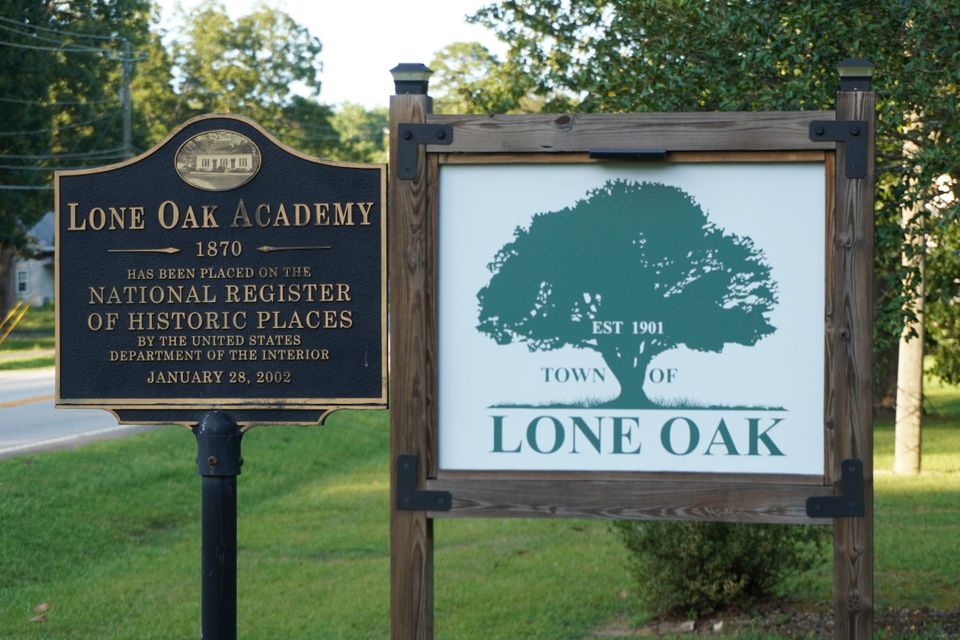
Lone oak sign and academy

A Tree, a Crossroads, a Town


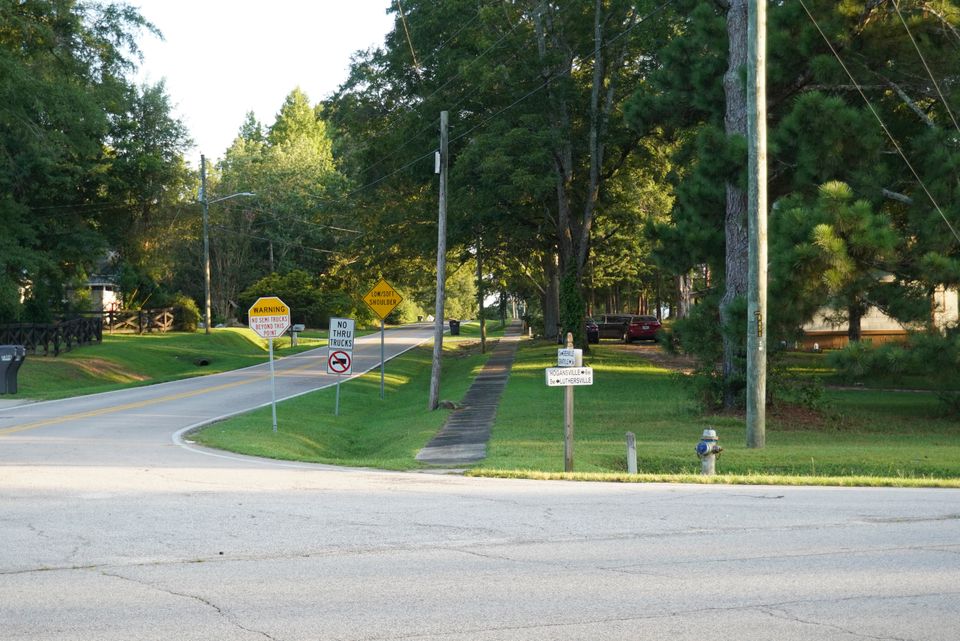
Lone Oak takes its name from a single post oak that once stood sentinel where two dirt roads crossed in the northwest corner of Meriwether County. The tree is long gone now, toppled by a storm generations ago, but it gave its name to everything that grew up around it. Before that, locals sometimes called the place "Graball," the story goes, because two rival families each accused the other of trying to grab up all the land. By the time Meriwether County itself was carved out of Troup County in 1827, the crossroads community was already taking shape, and in 1832 a settler named Daniel Fling cleared four hundred acres of woods and streams and built a plantation cottage there. Fling and his descendants sold off plots over the following decades until, piece by piece, the whole town came to sit on what had been his land. What started as "Fling's Cross Roads" became, simply, Lone Oak.

The town was formally incorporated by the Georgia legislature on November 15, 1901, with G. G. Culpepper serving as its first mayor. From the start it was a modest place — the founding charter capped its limits at three-quarters of a mile in every direction from the crossroads, and the population hovered around 150 for its first several decades. But modest size never stopped Lone Oak from having opinions about itself: one of its own early historians described it as "humble in station" but proud of standing by the nation in every war from the Civil War forward.
Contact Us
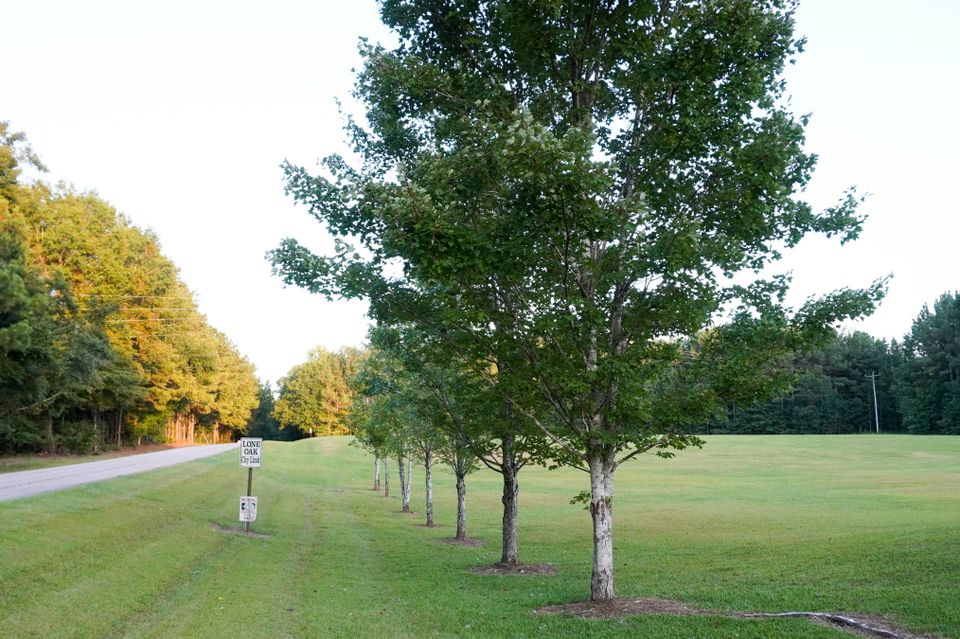
Lone oak city limit sign with row of oaks

Who We Are
Gold in the Branches

Long before there was a town charter, there was a small gold rush. Between 1835 and 1840, prospectors panned gold from the branches and streams near what became known as the Wilkes Gold Mine, close to the Coweta County line. The earliest miners made do with $1.50 to $2.00 a day washing gold by hand. After the Civil War the operation was mechanized, and by the early 1900s a Massachusetts syndicate had taken it over, sinking shafts more than a hundred feet deep and, by some estimates, pulling tens of thousands of dollars in gold from the ground. The mines were essentially played out by 1905 and have sat quiet ever since — though as recently as the 1980s, a visitor from Atlanta reportedly spent a summer panning the old streams and came away with enough gold to make his wife some jewelry.
Contact Us
Dsc00062

Who We Are
Two Churches, Two Communities, One Crossroads

 
Much of Lone Oak's story runs through its churches. Prospect Methodist Church was built at the crossroads in 1844, and two of the boys who grew up worshiping there went on to remarkable lives: Young J. Allen left Lone Oak to become a missionary to China in the 1850s, and James W. Lee became a prominent Methodist minister and editor who later led a major church in St. Louis. When Prospect's original wooden sanctuary was replaced with a brick building in 1939, the congregation renamed itself Allen-Lee Memorial in their honor — a name it still carries.

Just down the road, the Black community built its own institutions in the years after the Civil War. Around 1868, members organized what became St. Paul C.M.E. Church, worshiping first in a brush arbor with a dirt floor before building a permanent sanctuary on the Hogansville-Lone Oak Road. St. Paul weathered a devastating fire in 1957 — parishioners watched their church burn to the ground on a Sunday morning — and rebuilt within a year, later dedicating a new sanctuary in 2001. The church's old school annex, a repurposed lodge hall and schoolhouse dating back to 1912, still stands as a living piece of that history.
Contact Us
Dsc00032

Who We Are
Schoolhouses and Report Cards

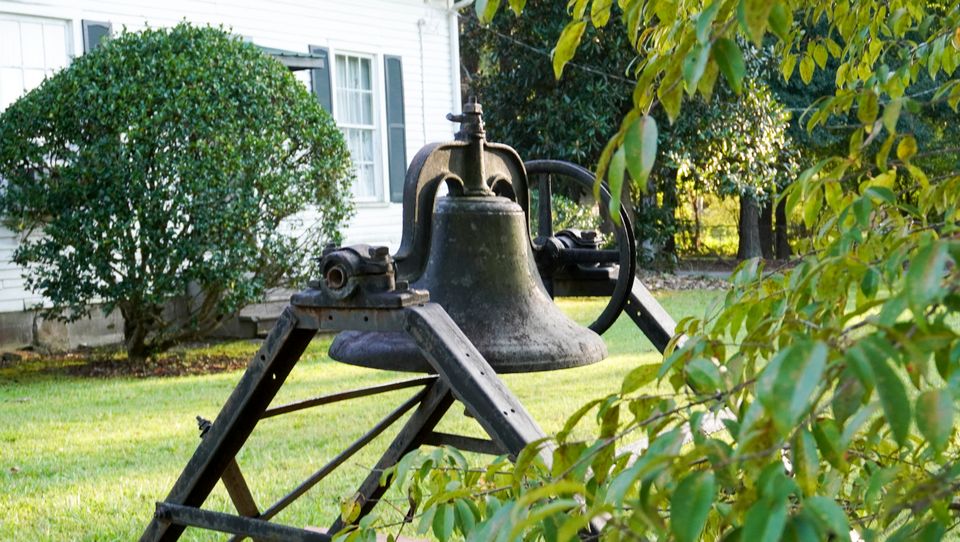
Education in Lone Oak began the way it did in most rural Georgia communities: one-room schoolhouses, slab benches, and teachers paid directly by tuition-paying parents. Prospect Academy, later called Lone Oak Academy, opened around 1870 on land donated by local families and operated until 1944, when it consolidated with the school in nearby Luthersville. The building still stands today, and in 2002 it earned a spot on the National Register of Historic Places, prized for its intact one-room schoolhouse architecture and a surviving hand-painted roll-up curtain from the 1930s.

The Black community's school on Sewell Road followed its own parallel path, moving through a series of buildings — including two that burned — from 1912 until it consolidated with the county system in the early 1950s, ahead of full school integration in Georgia in 1970. Long-serving teachers there, most memorably Beodessa Geter Rosser, known to generations of students simply as "Miss B," anchored the school and the community around it for decades.
Contact Us
Lone oak calaboose front

Who We Are
Small-Town Life

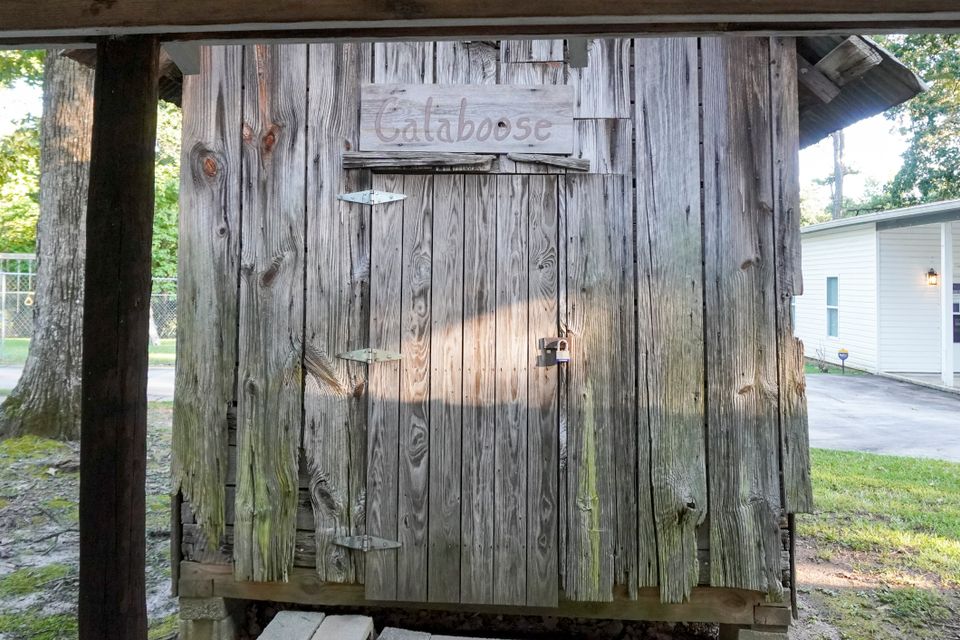
Lone Oak's charm shows up best in its stories. There was a one-room calaboose — a jail barely big enough to turn around in — where a man arrested for public drunkenness once insisted his mule be locked up alongside him for the night, and got his wish. There was a lone brick chimney that stood for years in an empty field, all that remained of a house burned down after a smallpox scare in 1898, giving rise to a local legend simply called "the smallpox chimney." Mischievous boys once laid a fox-hunting scent trail through the middle of a church revival, releasing the hounds mid-service to memorable chaos. And starting in 1951, the newly formed Lone Oak Community Club began staging fundraising theatricals with names like "The Old Maids' Convention" and "Womanless Wedding," in which the town's men dressed up as brides, aunts, and jilted sweethearts to howls of laughter — a tradition that raised money for decades to restore the old Academy building.
Contact Us
Lone oak water tower

Who We Are
Coming into the Modern Age

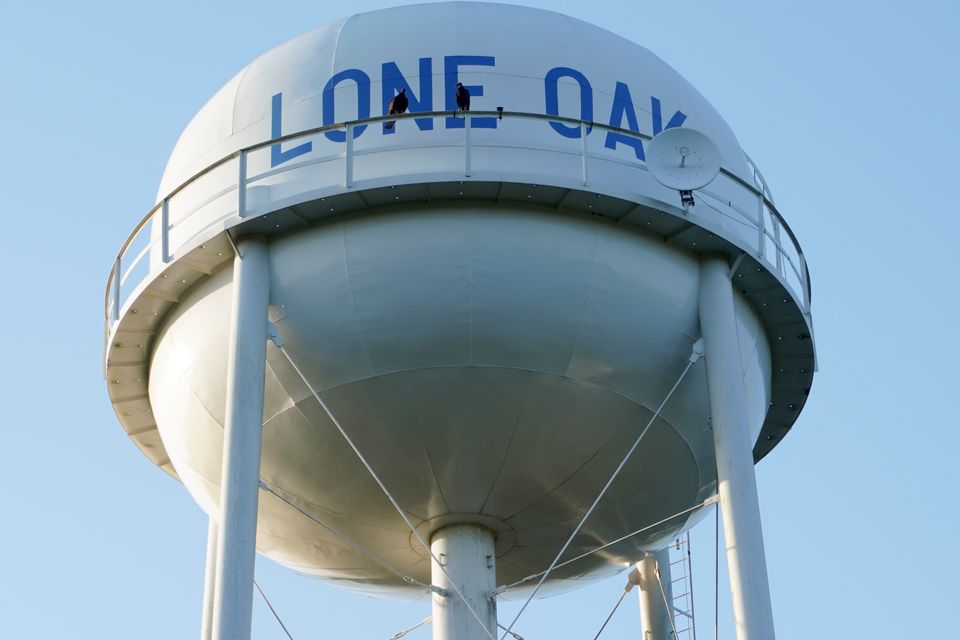
Electricity reached Lone Oak in 1936. The road through town was finally paved in 1952, and streetlights and sidewalks followed soon after. The town's volunteer fire department was organized in 1978. And in 1968, Lone Oak completed what was, at the time, the first hydro-pneumatic water system in the state of Georgia — a pumping station, an elevated tank, and eleven miles of line drawing from a 510-foot well. That system has been expanded and upgraded ever since, including a new 100,000-gallon elevated tank built in the early 2000s, carrying forward a piece of infrastructure history that connects the town's earliest days of hauling water by the bucketful straight through to the water challenges Lone Oak works on today.

Through gold rushes and church fires, one-room schools and Womanless Weddings, Lone Oak has stayed what it always was: a small crossroads community that took its name from a tree, and has spent nearly two centuries since proving that a place doesn't have to be big to have a history worth telling.
Contact Us

Frequently Asked Questions


What services does Town of Lone Oak provide?
Town of Lone Oak offers a variety of municipal services including community planning, public safety, waste management, recreational facilities, and public transportation.

How can I participate in local government meetings?
Residents can participate in local government meetings by attending in person or joining virtually. Meeting schedules and access details are available on our website.

Where can I find information on local events and activities?
Information on local events and activities can be found through community bulletins, local newspapers, and public notice boards around town.

How do I report a public safety concern or emergency?
Public safety concerns or emergencies can be reported by contacting our public safety department directly via phone.

How can I get involved in community programs and volunteer opportunities?
Residents can get involved in community programs and volunteer opportunities by signing up for local initiatives, attending community meetings, and participating in volunteer drives organized by the municipality.

Get Involved with Town of Lone Oak

Join us in making Lone Oak, GA a better place to live, work, and play.
Get Started